Artemis II: NASA steht mit dem Mond-Rückkehr-Ziel näher denn je
Erste Inspektionen zeigen, dass Hitzeschutz wie vorgesehen funktioniert hat und keine unerwarteten Probleme aufgetreten sind.
Kurzfassung
Warum das wichtig ist
- Erste Inspektionen zeigen, dass Hitzeschutz wie vorgesehen funktioniert hat und keine unerwarteten Probleme aufgetreten sind.
- NASA 's Artemis II mission has successfully wrapped up, and early analysis shows the agency's next-generation Moon systems performed remarkably well.
- After NASA's Artemis II mission ended with a successful splashdown, engineers began a detailed review of mission data.
Teams are examining how critical systems performed across the Orion spacecraft, the SLS (Space Launch System) rocket, and launch infrastructure at Kennedy Space Center in Florida. Early results show the test flight met expectations and marked an important step toward future missions, including Artemis III, sustained lunar exploration, and eventual trips to Mars.
Orion Spacecraft Reentry and Heat Shield Results Orion completed a 694,481-mile journey around the Moon before returning to Earth and landing in the Pacific Ocean near San Diego on April 10. During reentry, the spacecraft traveled at nearly 35 times the speed of sound, relying on its thermal protection system to shield both crew and vehicle.
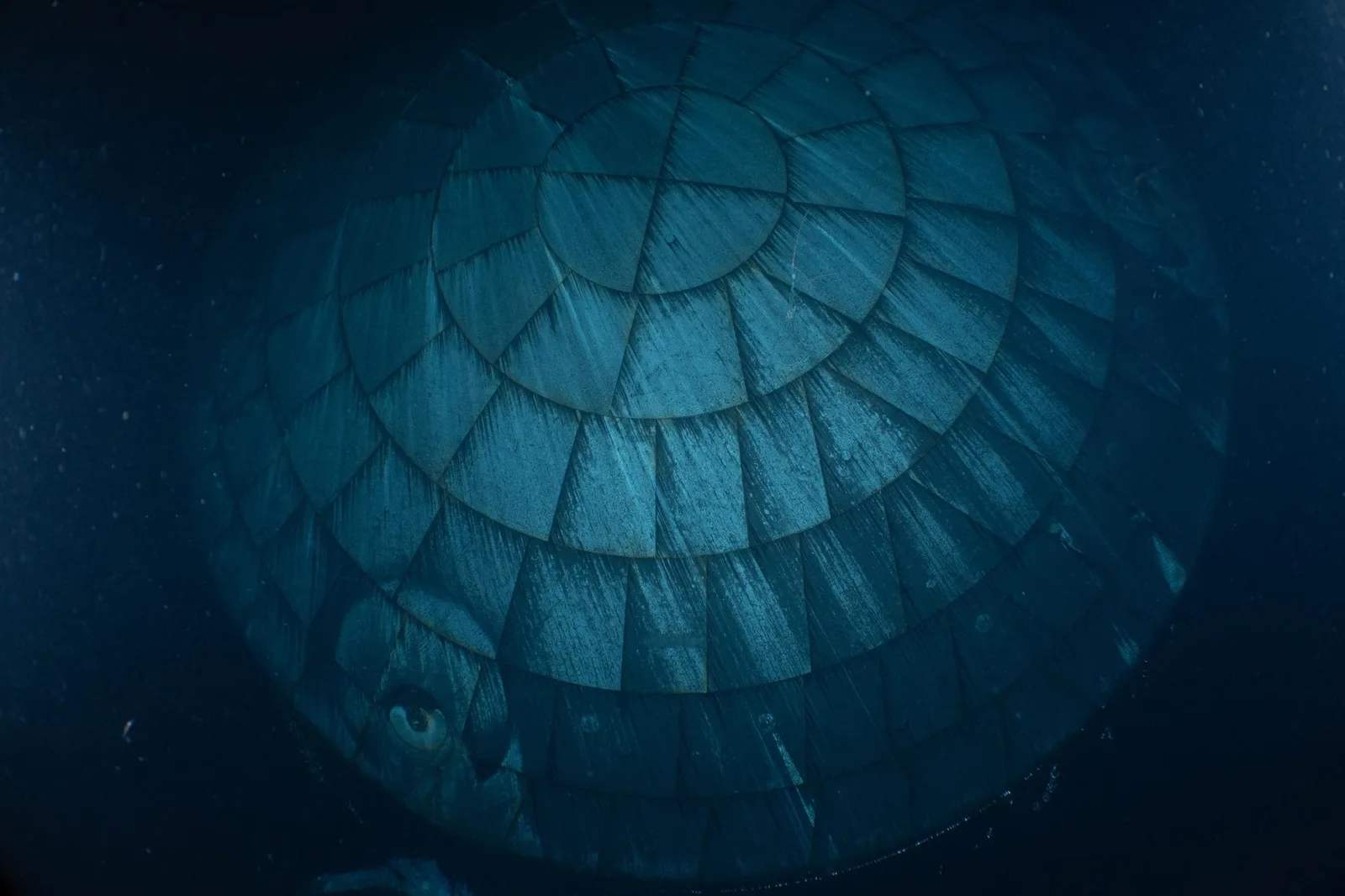
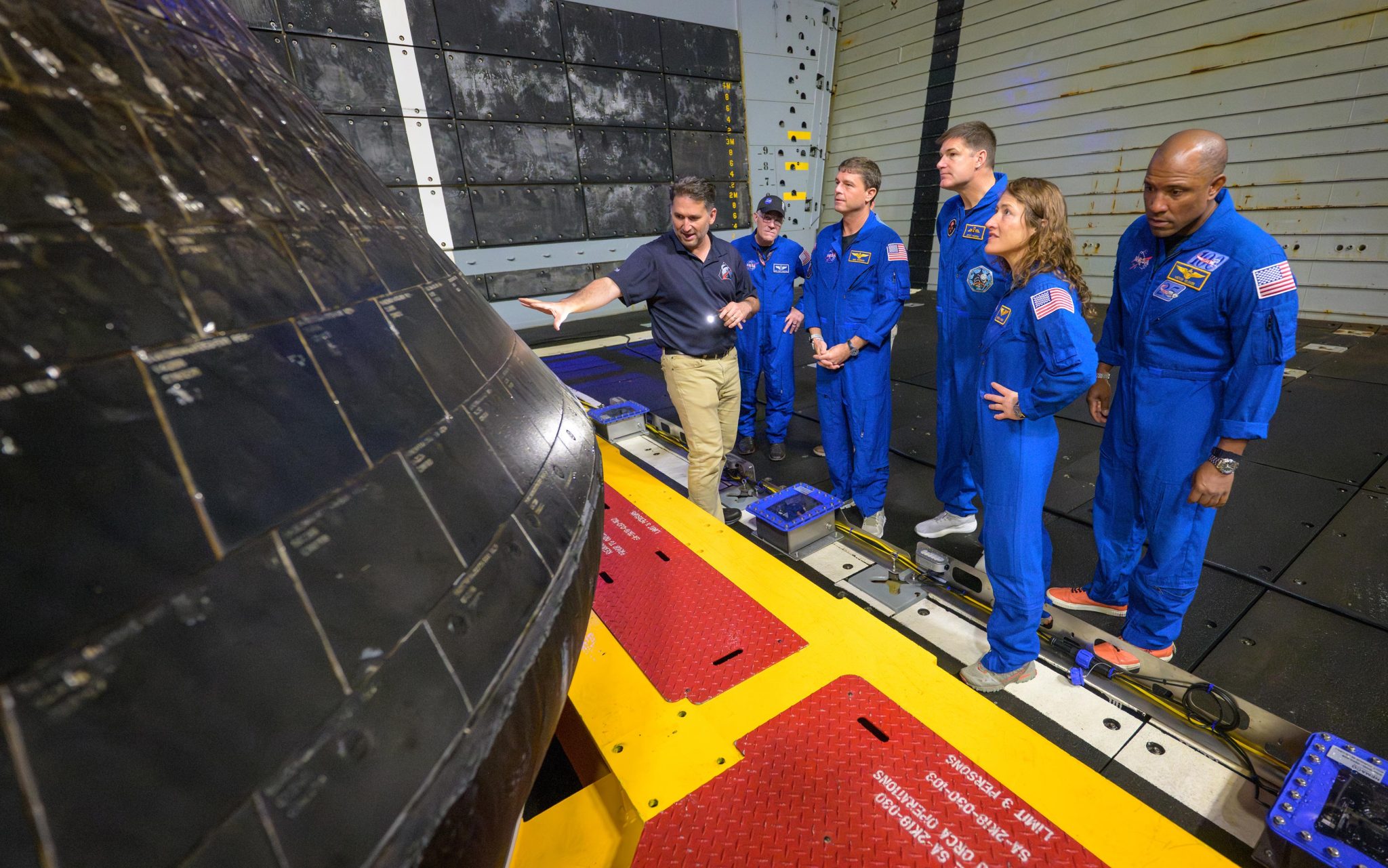
Initial inspections indicate the heat shield performed as designed, with no unexpected issues. Images taken, along with further checks on the recovery ship, show that the charring seen during Artemis I was significantly reduced in both size and amount. These results match predictions from arc jet ground testing conducted after the earlier mission.

Additional imagery captured from aircraft during
Additional imagery captured from aircraft during reentry will be analyzed in the coming weeks. This data is expected to provide more precise details about when minor surface changes occurred and offer deeper insight into heat shield performance.
Post Flight Inspections and Material Testing The crew module is scheduled to return to NASA Kennedy this month for further analysis during de-servicing at the Multi-Payload Processing Facility. Engineers will carry out detailed inspections, collect flight data, remove reusable components such as avionics, and address remaining hazards, including excess fuel and coolant.
Later this summer, the heat shield will be sent to NASA's Marshall Space Flight Center in Huntsville, Alabama. There, teams will extract samples and conduct internal X-ray scans to better understand how the materials responded during reentry. The ceramic tiles on the upper conical backshell also performed as expected. Reflective thermal tape, which is designed to burn away during reentry, remains visible in several areas.

This tape helps regulate temperatures
This tape helps regulate temperatures in space but does not provide protection during atmospheric entry. Orion's landing was highly accurate, touching down just 2.9 miles from its target. Early analysis shows its entry velocity was within one mile per hour of predictions.
Recovered Hardware and Ongoing Investigation Following splashdown, teams in San Diego removed several components for inspection and future reuse before returning the spacecraft to Kennedy. These included seats, video processing units, camera controllers, storage containers, and suit umbilicals from the Orion Crew Survival System.
Engineers are also reviewing hardware related to a urine vent line issue that occurred during the mission. Data is being collected to determine the cause and develop fixes ahead of Artemis III. SLS Rocket Performance Meets Expectations The SLS rocket that launched Artemis II also performed as planned. Early analysis shows it delivered Orion to its intended trajectory with high accuracy.

At main engine cutoff, when the
At main engine cutoff, when the RS-25 engines shut down, the spacecraft was traveling at more than 18,000 miles per hour and reached its target insertion point for orbit with precision. Launch Pad and Ground Systems Show Improvements After launch, engineers conducted a thorough assessment of the launch pad and mobile launcher systems.
Upgrades made after Artemis I helped strengthen and protect key components, resulting in minimal damage despite the intense forces generated during liftoff. Teams cleaned and inspected the systems immediately after launch. Some parts were reinforced, such as elevator doors, while others were designed to flex under pressure, including gaseous distribution panels at the base of the mobile launcher.
Additional protective barriers were installed to shield sensitive equipment. These improvements allowed systems that manage air, gas, cooling, and water flow to remain operational after launch. The mobile launcher has since been moved back to the Vehicle Assembly Building at Kennedy Space Center for repairs and preparation for future Artemis missions.
Recovery Operations and Next Steps for
Recovery Operations and Next Steps for Artemis Program Recovery teams, working alongside military partners, successfully retrieved the crew and spacecraft after splashdown. Navy divers assisted each crew member out of Orion and brought them aboard USS John P. Murtha. The spacecraft was then recovered and returned to Naval Base San Diego.
Data from Artemis II, the first crewed mission in the Artemis program, is now being used to prepare for what comes next. NASA is targeting Artemis III for launch in 2027, followed surface beginning in 2028.
Thema weiterverfolgen
Interne Verlinkung
Im Kontext weiterlesen
Diese weiterfuehrenden Links verbinden das Thema mit relevanten Archivseiten, Schlagwoertern und inhaltlich nahen Artikeln.
Welt Archiv
Weitere Meldungen aus derselben Hauptkategorie.
Mehr von SciTechDaily
Alle veroeffentlichten Inhalte derselben Quelle im Archiv.
Alarmierende Entdeckung: Warmes Wasser nähert sich Antarktis
Redaktionell verwandter Beitrag aus dem selben Themenumfeld.
Wissenschaftler entdecken verborgene Eigenschaft des Lichts, die Materie verdreht
Redaktionell verwandter Beitrag aus dem selben Themenumfeld.
Quellenprofil
Quelle und redaktionelle Angaben
- Quelle
- SciTechDaily
- Originaltitel
- Artemis II Just Proved NASA Is Closer Than Ever to Returning to the Moon
- Canonical
- https://scitechdaily.com/artemis-ii-just-proved-nasa-is-closer-than-ever-to-returning-to-the-moon/
- Quell-URL
- https://scitechdaily.com/artemis-ii-just-proved-nasa-is-closer-than-ever-to-returning-to-the-moon/
Aehnliche Inhalte
Verwandte Themen und interne Verlinkung
Weitere Artikel aus aehnlichen Themenfeldern, damit Leser direkt im selben Kontext weiterlesen koennen.

Alarmierende Entdeckung: Warmes Wasser nähert sich Antarktis
Warmes Tiefwasser wandert näher an Antarktis heran und bedroht Eisschelfe sowie die globale Ozeanzirkulation, Auswirkungen auf Meeresspiegel und Klima.
06.05.2026
Live Redaktion
Wissenschaftler entdecken verborgene Eigenschaft des Lichts, die Materie verdreht
Eine neue Messmethode zeigt, dass Licht nanoskalige Objekte auf unerwartete Weise verdrehen kann. Licht ist nicht nur etwas, das wir sehen. Es kann auch physikalische Kräfte ausüben, Materie drücken und verdrehen.
06.05.2026
Live Redaktion
NASA schaltet Instrument an Voyager 1 ab, um das Raumschiff im tiefen Weltraum zu erhalten
Im Laufe Zeit lieferte es wesentliche Daten ber das interstellare Medium, darunter Identifizierung Teilchendichte jenseits Heliosphre.
06.05.2026
Live Redaktion
Physiker schlagen experimentelles Verfahren vor, das die Quantennatur der Zeit untersucht
Hochmoderne Atomuhren könnten bald eine seltsame Möglichkeit aufdecken: Zeit selbst verhält sich wie Quantenobjekt und existiert gleichzeitig in mehreren Zuständen.
06.05.2026
Live Redaktion