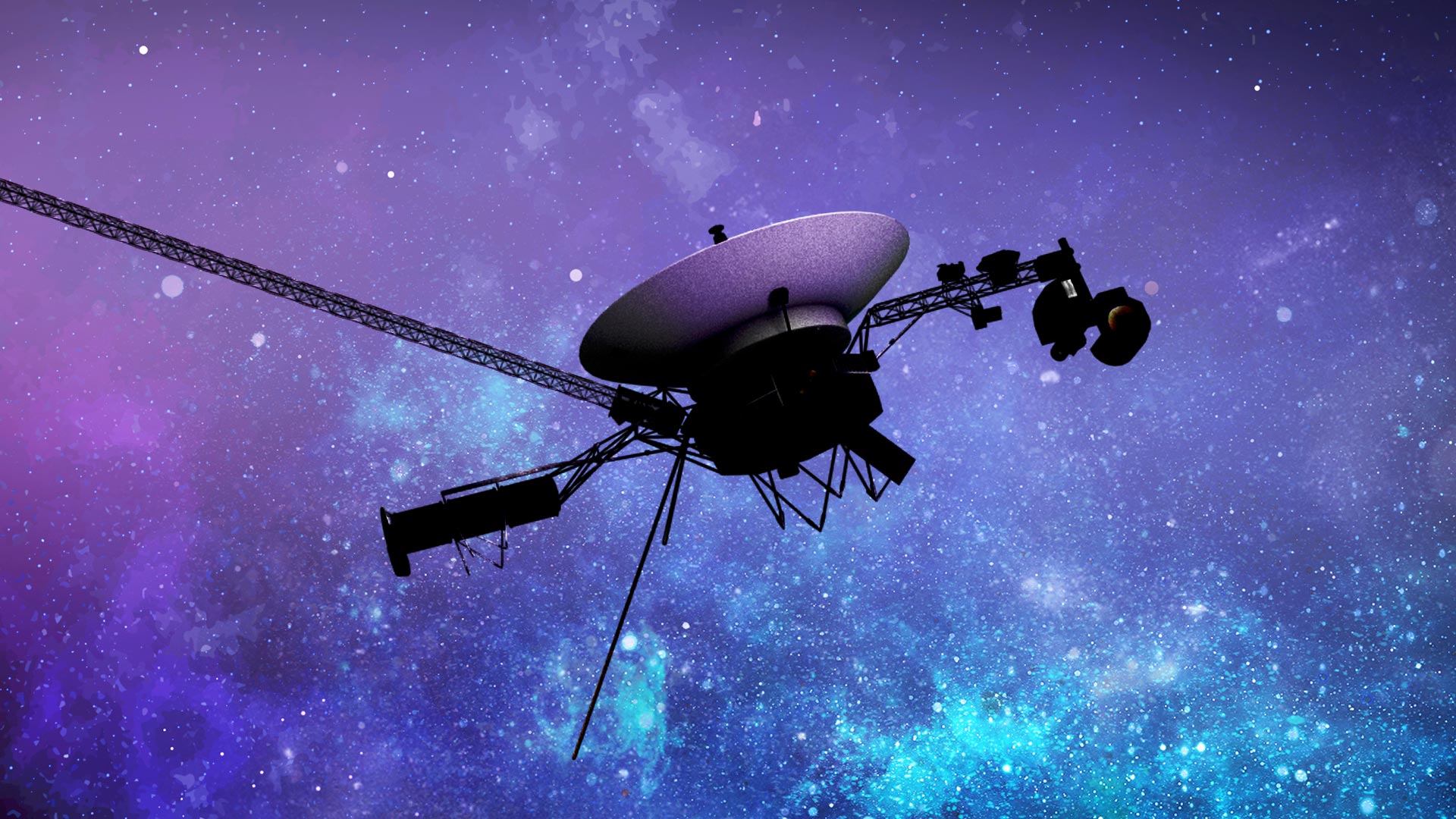
NASA schaltet Instrument an Voyager 1 ab, um das Raumschiff im tiefen Weltraum zu erhalten
Im Laufe der Zeit lieferte es wesentliche Daten ber das interstellare Medium, darunter die Identifizierung Teilchendichte jenseits der Heliosphre.
Kurzfassung
Warum das wichtig ist
- Im Laufe der Zeit lieferte es wesentliche Daten ber das interstellare Medium, darunter die Identifizierung Teilchendichte jenseits der Heliosphre.
- Voyager 1 und Voyager 2 sind die einzigen Raumfahrzeuge, die weit genug entfernt sind, um diese Art nach Jahrzehnten im tiefen Weltraum hnlich wie sein Zwilling, Voyager 2, ist Voyager 1 auf einen radioisotopen thermoelektrischen Generator angewiesen, der die Wrme des zerfallenden Plutoniums in Elektrizitt umwandelt.
- Jedes Raumfahrzeug verliert jhrlich etwa 4 Watt an Leistung.
SvyTech-Check
Redaktionelle Einordnung
Kernpunkt
Im Laufe der Zeit lieferte es wesentliche Daten ber das interstellare Medium, darunter die Identifizierung Teilchendichte jenseits der Heliosphre.
Warum relevant
Ingenieure mssen den Stromverbrauch sorgfltig reduzieren, indem sie Heizer und Instrumente abschalten, whrend sie gleichzeitig sicherstellen, dass das Raumfahrzeug warm genug bleibt, um ein Einfrieren seiner...
Einordnung
SvyTech ordnet die Meldung aus SciTechDaily als Teil des Themenfelds Welt ein und verweist auf den Originalartikel, damit Leser Fakten, Quelle und Kontext nachvollziehen koennen.
Ingenieure mssen den Stromverbrauch sorgfltig reduzieren, indem sie Heizer und Instrumente abschalten, whrend sie gleichzeitig sicherstellen, dass das Raumfahrzeug warm genug bleibt, um ein Einfrieren seiner Treifhrungen zu verhindern. Whrend eines geplanten Rollmanvers am 27. Februar erlebte Voyager 1 einen unerwarteten Leistungsabfall.
Die Ingenieure erkannten, dass ein weiterer Rckgang das Unterspannungs-Ausfallsicherheitssystem des Raumfahrzeugs aktivieren knnte. Dieses Sicherheitssystem hätte die Komponenten automatisch abschalten müssen, um die Sonde zu schützen, was einen komplexen Wiederherstellungsaufwand erfordern würde und zusätzliche Risiken birgt.
Das Team entschied sich daher, zu handeln, bevor dieser Szenario eintreten konnte. „Obwohl das Abschalten eines wissenschaftlichen Instruments niemandem lieb ist, ist es die beste verfügbare Option“, erklärte Kareem Badaruddin, Leiter der Voyager-Mission am JPL. „Voyager 1 verfügt noch über zwei aktive wissenschaftliche Instrumente – eines, das Plasmawellen aufnimmt, und eines, das Magnetfelder misst.

Quellenprofil
Quelle und redaktionelle Angaben
- Quelle
- SciTechDaily
- Canonical
- https://scitechdaily.com/nasa-powers-down-voyager-1-instrument-as-it-fights-to-survive-deep-space/
- Quell-URL
- https://scitechdaily.com/nasa-powers-down-voyager-1-instrument-as-it-fights-to-survive-deep-space/
Aehnliche Inhalte
Verwandte Themen und interne Verlinkung
Weitere Artikel aus aehnlichen Themenfeldern, damit Leser direkt im selben Kontext weiterlesen koennen.

Wissenschaftler enthüllen, was in 10 Monaten Passierte, als 12 Menschen in der Antarktis eingesperrt waren
Eine Studie an einer der isoliertesten Forschungsstationen der Erde liefert neue Hinweise darauf, wie Teams sich an längere Phasen der Isolation anpassen.
12.06.2026
Live Redaktion