73 Microsoft-Softwarepakete missbraucht zum Einsatz von Passwort-Diebstahl
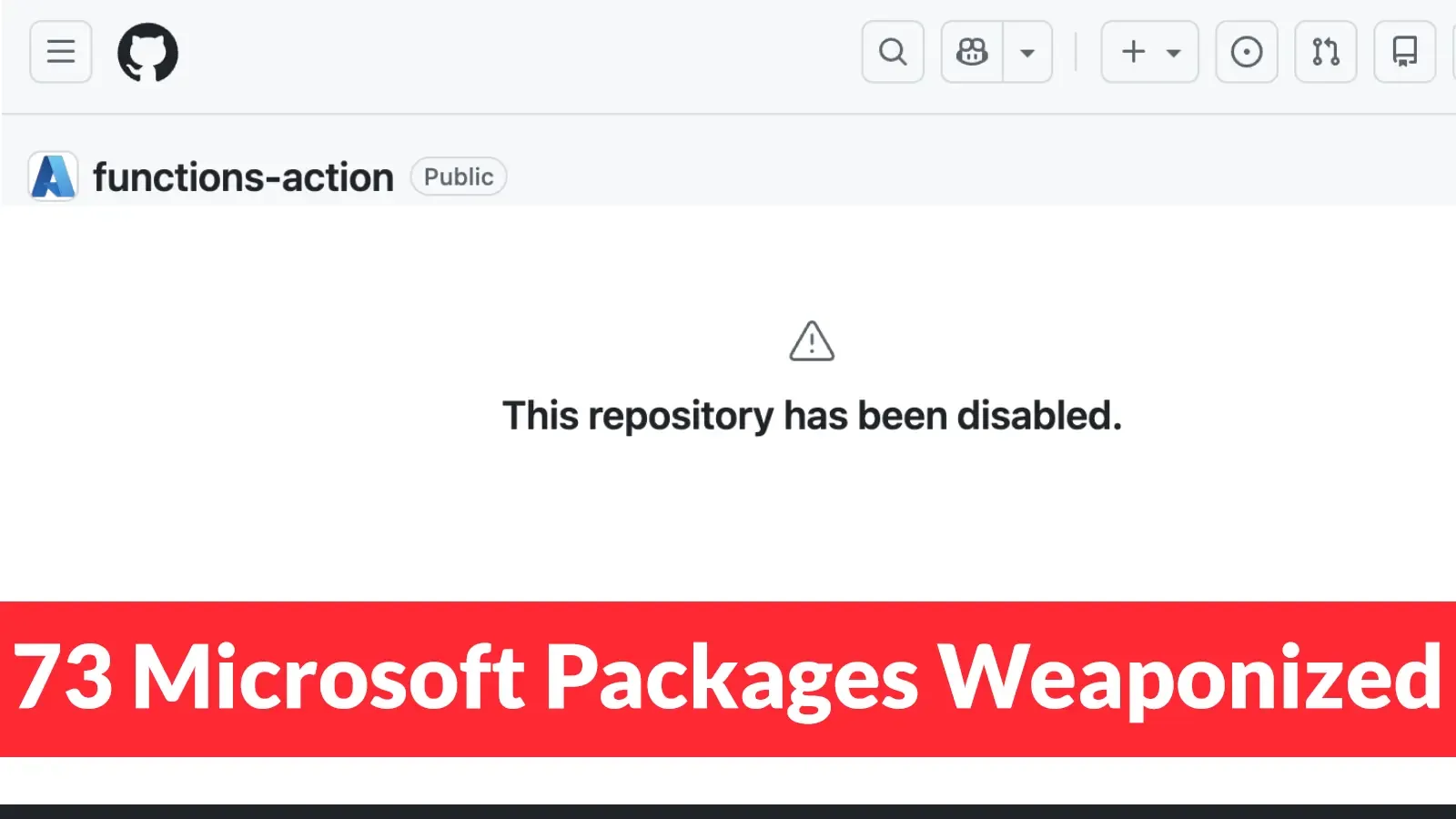
Am 8. Juni 2026 wurden plötzlich 73 Microsoft-Repositories auf GitHub deaktiviert, nachdem sich ein sich selbst replizierender Wurm in einen großen Teil des Azure-Functions-Ökosystems der Firma eingeschlichen hatte.
Kurzfassung
Warum das wichtig ist
- Juni 2026 wurden plötzlich 73 Microsoft-Repositories auf GitHub deaktiviert, nachdem sich ein sich selbst replizierender Wurm in einen großen Teil des Azure-Functions-Ökosystems der Firma eingeschlichen hatte.
- Der gesamte Vorfall ereignete sich innerhalb 105 Sekunden, wobei alle 73 Repositories zwischen [Datum] und [Datum] UTC markiert und heruntergefahren wurden.
- Was zunächst wie eine routinemäßige Durchsetzungshandlung wirkte, war tatsächlich der sichtbare Abschluss einer stillen, monatelangen Intrusion.
SvyTech-Check
Redaktionelle Einordnung
Kernpunkt
Juni 2026 wurden plötzlich 73 Microsoft-Repositories auf GitHub deaktiviert, nachdem sich ein sich selbst replizierender Wurm in einen großen Teil des Azure-Functions-Ökosystems der Firma eingeschlichen hatte.
Warum relevant
Der gesamte Vorfall ereignete sich innerhalb 105 Sekunden, wobei alle 73 Repositories zwischen [Datum] und [Datum] UTC markiert und heruntergefahren wurden.
Einordnung
SvyTech ordnet die Meldung aus Cyber Security News als Teil des Themenfelds Technologie ein und verweist auf den Originalartikel, damit Leser Fakten, Quelle und Kontext nachvollziehen koennen.
Am 8. Juni 2026 wurden plötzlich 73 Microsoft-Repositories auf GitHub deaktiviert, nachdem sich ein sich selbst replizierender Wurm in einen großen Teil des Azure-Functions-Ökosystems der Firma eingeschlichen hatte. Der Am 8.

Juni 2026 wurden plötzlich 73 Microsoft-Repositories auf GitHub deaktiviert, nachdem sich ein sich selbst replizierender Wurm in einen großen Teil des Azure-Functions-Ökosystems der Firma eingeschlichen hatte.
Quellenprofil
Quelle und redaktionelle Angaben
- Quelle
- Cyber Security News
- Canonical
- https://cybersecuritynews.com/73-microsoft-packages-weaponized/
- Quell-URL
- https://cybersecuritynews.com/73-microsoft-packages-weaponized/
Aehnliche Inhalte
Verwandte Themen und interne Verlinkung
Weitere Artikel aus aehnlichen Themenfeldern, damit Leser direkt im selben Kontext weiterlesen koennen.

US-Modelle überholen chinesisches KI-Modell Kimi K3 in Cybersicherheits-Tests
Eine gemeinsame Studie des britischen Instituts UK AISI und des US-Zentrums CAISI zeigt, dass das chinesische KI-Modell Kimi K3 in Cybersicherheits-Tests mit einer Erfolgsquote von 32,2 Prozent deutlich hinter führenden US-Modellen mit 76,2 Prozent zurückbleibt. Obwohl Kimi K3 autonome Angriffe auf schwach verteidigte Systeme durchführen kann, scheitert es bei komplexen Aufgaben und der vollständigen Codeausführung, während US-Modelle ihre Führungsrolle in diesem Bereich bewahrt haben.
25.07.2026
Live Redaktion