Neuer Heizkörper mit rotierenden Magneten erzeugt Warmwasser
In einer kleinen Werkstatt hat ein Baumeister ein bekanntes Problem genommen und es aus einem völlig anderen Blickwinkel angegangen.
Kurzfassung
Warum das wichtig ist
- In einer kleinen Werkstatt hat ein Baumeister ein bekanntes Problem genommen und es aus einem völlig anderen Blickwinkel angegangen.
- ## Mechanischer Warmwasserbereiter: Neue Heizkonzeption nutzt Magnetfelder Ein Baumeister hat ein etabliertes Problem im Bereich der Wärmeversorgung neu gedacht.
- Anstatt sich auf fossile Brennstoffe oder elektrische Energie zu verlassen, konzentriert sich die innovative Lösung auf die Bewegung selbst als primäre Wärmequelle.
SvyTech-Check
Redaktionelle Einordnung
Kernpunkt
In einer kleinen Werkstatt hat ein Baumeister ein bekanntes Problem genommen und es aus einem völlig anderen Blickwinkel angegangen.
Warum relevant
Das Ergebnis ist ein kompakter, mechanisch angetriebener Warmwasserbereiter, der Wärme durch die Nutzung.
Einordnung
SvyTech ordnet die Meldung aus Interesting Engineering als Teil des Themenfelds Technologie ein und verweist auf den Originalartikel, damit Leser Fakten, Quelle und Kontext nachvollziehen koennen.
Das Ergebnis ist ein kompakter, mechanisch angetriebener Warmwasserbereiter, der Wärme durch die Nutzung. Das System, das, knüpft an frühere Generatorkonzepte an. Der entscheidende Unterschied liegt jedoch darin, dass der Fokus direkte thermische Ausgabe verlagert wird.
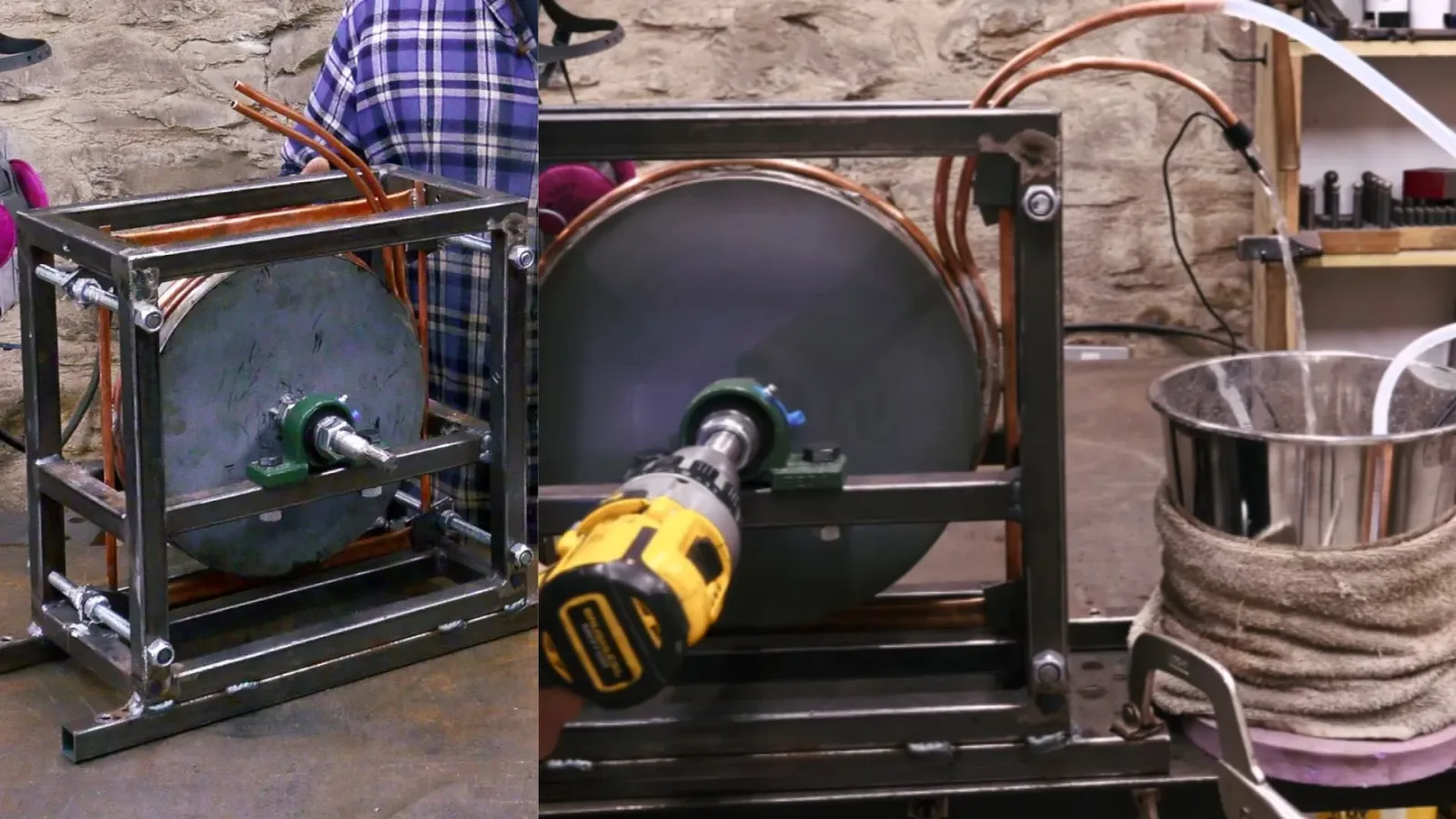
Obwohl die Grundidee konzeptionell einfach ist, erfordert die Umsetzung ein hohes Maß an technischem Know-how und präziser Konstruktion. ### Funktionsweise durch Wirbelströme Im Kern des Geräts befinden sich zwei rotierende Magnetrotoren. Zwischen diesen Rotoren ist eine flache Spirale aus reinem Kupferrohr eingeschlossen.
Dieses Rohr ist zu einem durchgehenden Leiter verlötet und durchfließt das zu beheizende Wasser. Wenn die Magnete an das Kupfer vorbeiratieren, induzieren sie sogenannte Wirbelströme im Metall. Das System kann dabei etwa 600 Liter Wasser pro Stunde erwärmen, was bei einem sehr geringen Stromverbrauch 10 Watt möglich ist.
Die erzeugte Leistung skaliert direkt
Quellenprofil
Quelle und redaktionelle Angaben
- Quelle
- Interesting Engineering
- Canonical
- https://interestingengineering.com/energy/workshop-built-magnetic-induction-water-heater
- Quell-URL
- https://interestingengineering.com/energy/workshop-built-magnetic-induction-water-heater
Aehnliche Inhalte
Verwandte Themen und interne Verlinkung
Weitere Artikel aus aehnlichen Themenfeldern, damit Leser direkt im selben Kontext weiterlesen koennen.

US-Iran-Krieg: Mangel an Präzisionsraketen führt zur fast vollständigen Erschöpfung der Vorräte
Nach Informationen US-Streitkräfte im seit fünf Monaten andauernden Konflikt gegen den Iran fast alle ihre hochpräzisen Langstreckenraketen, darunter ATACMS und PrSM-Systeme, verbraucht, was ernste Bedenken hinsichtlich der Einsatzbereitschaft für zukünftige Konflikte, insbesondere gegen China oder Russland, aufwirft. Während Präsident Donald Trump behauptet, die USA verfügten über Rekordmengen an Munition und könnten diese schnell nachliefern, warnen Experten, dass die aktuelle Produktionsrate den Bedarf nicht decken kann und die globale Verteidigungsfähigkeit der USA durch den langwierigen Krieg gefährdet ist.
04.08.2026