Low Noise, High Confidence: Optimizing SOC Costs with Better Threat Intelligence
Robust defense systems are built on a clear understanding of current threats and the ability to translate it into consistent decisions and measurable outcomes at optimal cost. High-performing SOCs achieve this ...
Kurzfassung
Warum das wichtig ist
- Robust defense systems are built on a clear understanding of current threats and the ability to translate it into consistent decisions and measurable outcomes at optimal cost.
- High-performing SOCs achieve this operationalizing threat data.
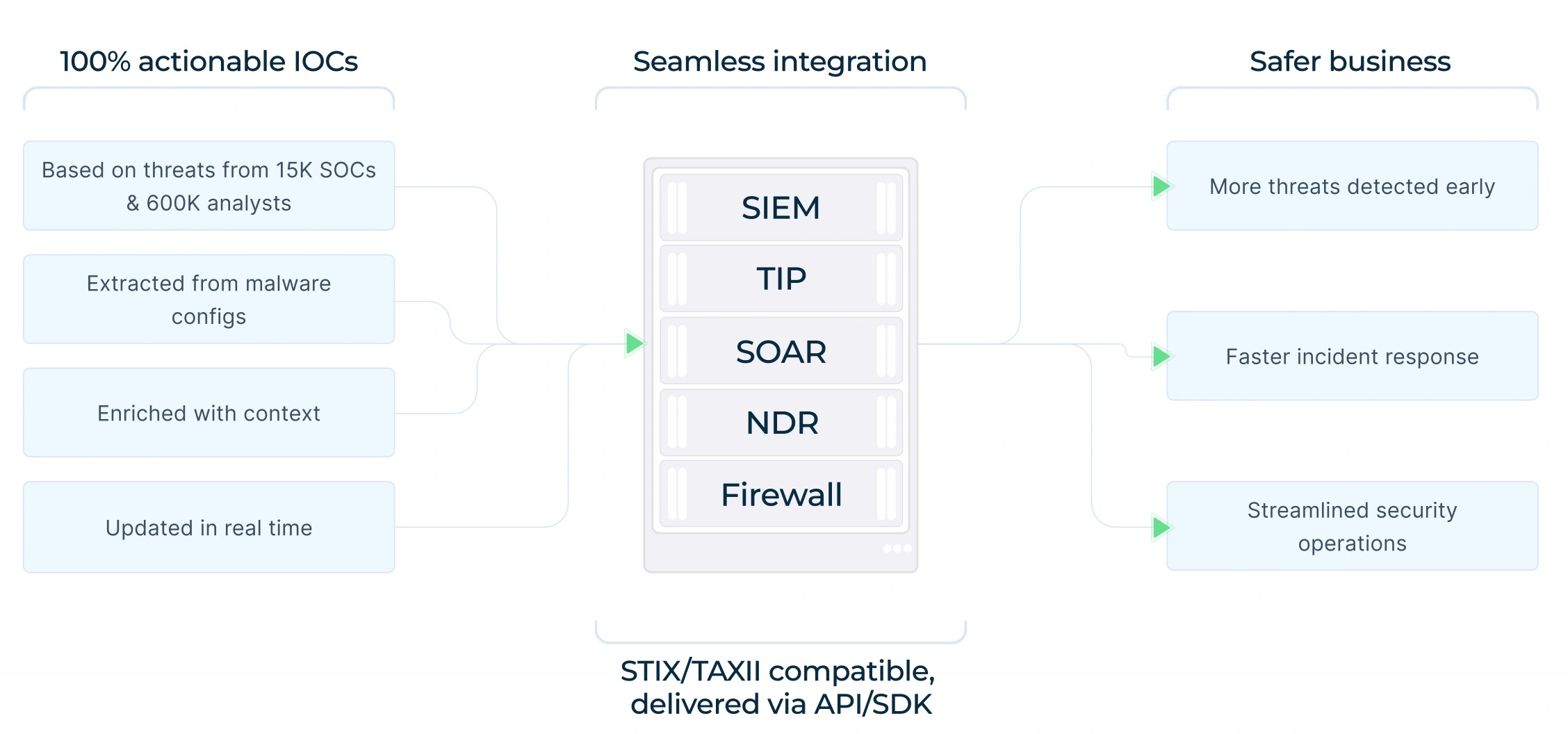
- At the core of this model lies threat intelligence that is: - Relevant to active threats - Actionable within existing workflows - Curated to reduce false alerts Not all threat data sources meet these criteria.
SvyTech-Check
Redaktionelle Einordnung
Kernpunkt
Robust defense systems are built on a clear understanding of current threats and the ability to translate it into consistent decisions and measurable outcomes at optimal cost.
Warum relevant
To Improve Triage, Start At the Source Inefficient triage is often not an operational issue.
Einordnung
SvyTech ordnet die Meldung aus Cyber Security News als Teil des Themenfelds Technologie ein und verweist auf den Originalartikel, damit Leser Fakten, Quelle und Kontext nachvollziehen koennen.
To Improve Triage, Start At the Source Inefficient triage is often not an operational issue. More commonly, the challenge stems from the quality of data analysts rely on. When intelligence lacks context, clarity, and validation, analysts are forced to prioritize speed over accuracy. On one side, every false alarm consumes valuable time.
On the other, missed signals increase risk exposure. With SOC teams caught between the two fires, real threats slip through. The core issue in this scenario isn’t process related. It’s low-quality threat data that allows false alerts to flood detection systems. That’s why streamlined alert triage starts with reducing noise at the source.
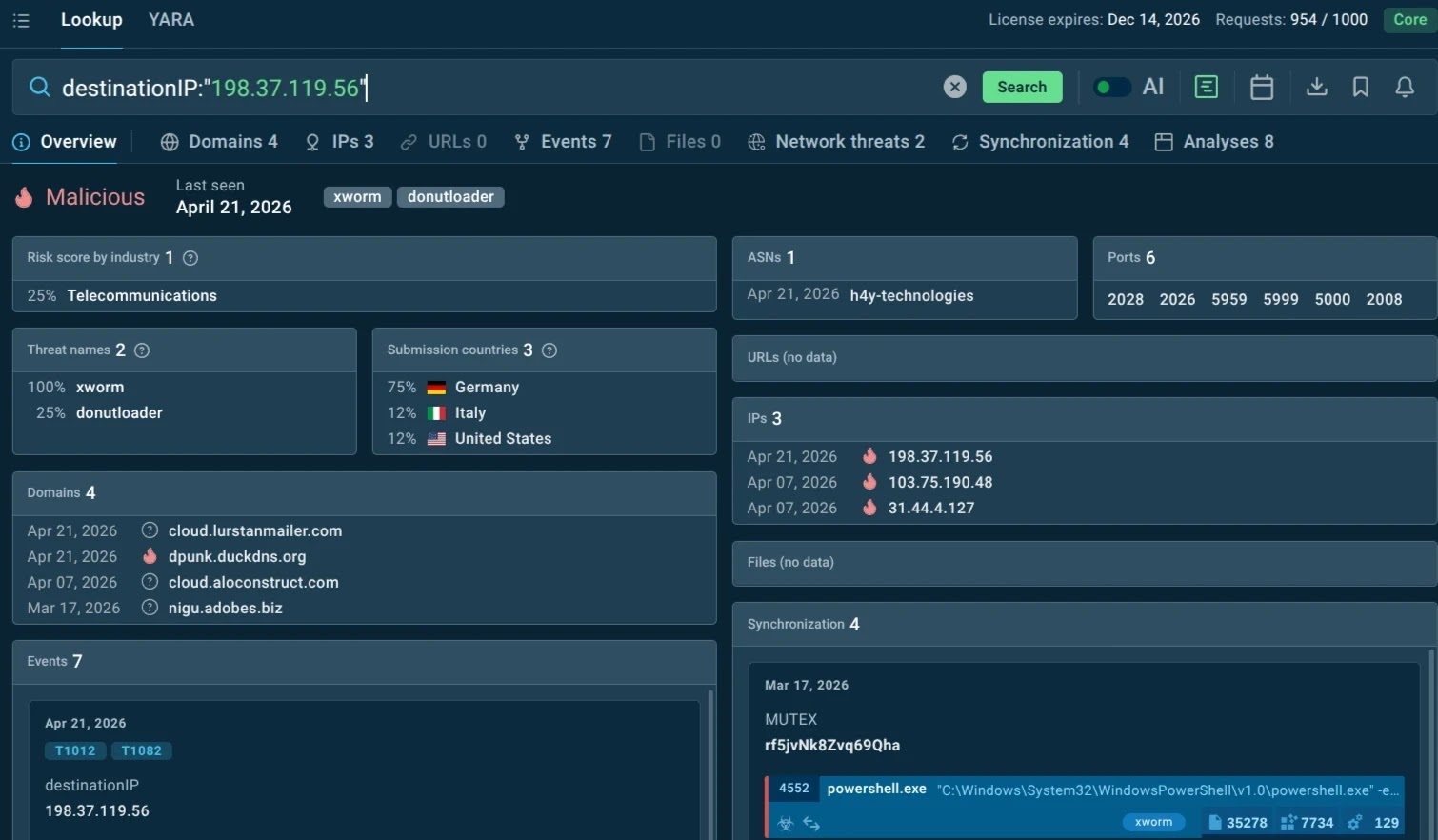
When threat intelligence is derived from real-world attack behavior and gets validated before entering detection pipelines, the dynamic changes. Alerts become clearer signals; enriched with context that supports all subsequent decisions. Strong alert triage depends on context-rich intelligence that doesn’t require external manual verification.

Quellenprofil
Quelle und redaktionelle Angaben
- Quelle
- Cyber Security News
- Canonical
- https://cybersecuritynews.com/low-noise-high-confidence-optimizing-soc-costs-with-better-threat-intelligence/
- Quell-URL
- https://cybersecuritynews.com/low-noise-high-confidence-optimizing-soc-costs-with-better-threat-intelligence/
Aehnliche Inhalte
Verwandte Themen und interne Verlinkung
Weitere Artikel aus aehnlichen Themenfeldern, damit Leser direkt im selben Kontext weiterlesen koennen.

Epic Games verliert legendären Designer während der Entwicklung der KI-zentrierten Unreal Engine 6
Epic Games plant mit der Unreal Engine 6 die Integration fortschrittlicher KI-Modelle wie Claude und Gemini sowie den Rückzug etablierter Systeme wie Blueprints, was in der Branche erhebliche Besorgnisse über Arbeitsplatzverluste und einen notwendigen Anpassungsprozess auslöst. Zudem verließ der seit 12 Jahren im Unternehmen tätige Level-Design-Legende Sjoerd Hourences de Jong sein Amt, was Beobachter als bemerkenswerter Hinweis auf die neuen KI-zentrierten Strategien werten, obwohl eine direkte Verbindung offiziell noch nicht bestätigt wurde.
22.06.2026
.webp&ref=https%3A%2F%2Fcybersecuritynews.com%2Flow-noise-high-confidence-optimizing-soc-costs-with-better-threat-intelligence%2F&sig=pwPecKLQZur0Y-01x0V90enE9of5-M596b1DGlYZVR0)