Hidden Blutpartikel erhöht Schlaganfall- und Todesrisiko: Wissenschaftler warnen, ein Fünftel der Menschen sind betroffen
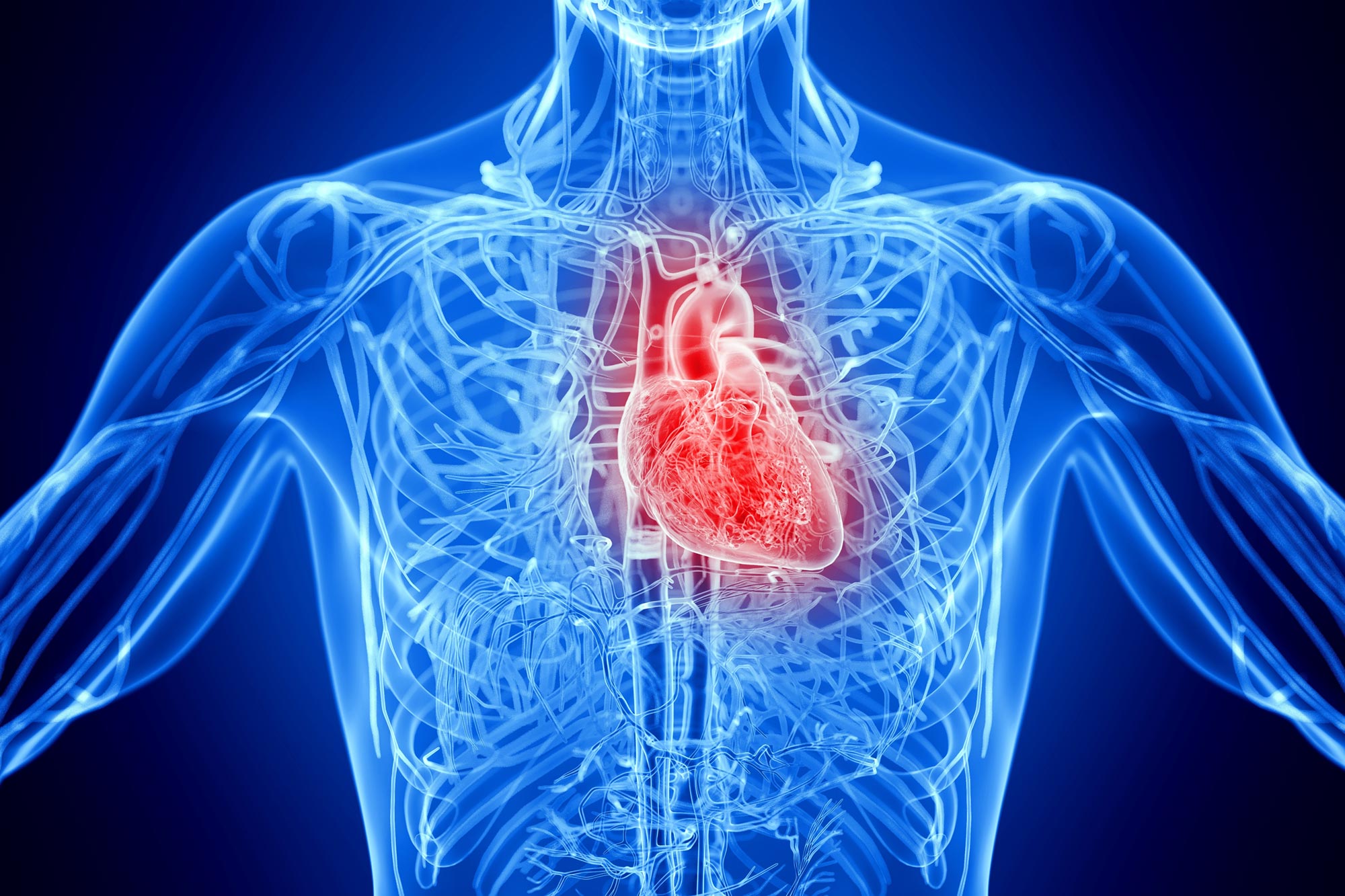
Ein verstecktes Cholesterinpartikel könnte auf ein übersehenes kardiovaskuläres Risiko hinweisen und bietet damit einen neuen Hinweis für Prävention und zukünftige Therapien.
Kurzfassung
Warum das wichtig ist
- Ein verstecktes Cholesterinpartikel könnte auf ein übersehenes kardiovaskuläres Risiko hinweisen und bietet damit einen neuen Hinweis für Prävention und zukünftige Therapien.
- A hidden cholesterol particle may signal overlooked cardiovascular risk, offering a new clue for prevention and future treatments.
- New findings from an analysis of more than 20,000 patients across three major NIH studies show that elevated Lipoprotein(a) [Lp(a)] is linked to ongoing cardiovascular risk, even after standard treatments.
It resembles LDL, often called "bad" cholesterol, but includes an added protein that may increase its harmful effects on the heart. High Lp(a) levels are mainly inherited and can raise the risk of cardiovascular disease even when routine cholesterol levels appear normal. About one in five people has elevated Lp(a), though most do not know it because it rarely causes symptoms.
While its connection to heart disease is well known, its ability to predict risk in people with and without existing conditions remains unclear.
The results were presented as late-breaking research at the Society for Cardiovascular Angiography & Interventions (SCAI) 2026 Scientific Sessions and the Canadian Association of Interventional Cardiology/Association Canadienne de cardiologie d'intervention (CAIC-ACCI) Summit in Montreal.
Study Design and Methods The study
Study Design and Methods The study examined stored plasma samples from 20,070 participants aged 40 and older who were enrolled in the ACCORD, PEACE, and SPRINT NIH randomized trials. Researchers analyzed all samples in a specialized laboratory using a standardized test and reported results in nmol/L. Participants were categorized (a) levels (<75, 75 to 125, 125 to 175, or ≥175 nmol/L) and heart disease.
Statistical models accounted for factors such as age, health conditions, lipid levels, and treatments. Key Findings Participants had an average age of about 65 years, and roughly 65% were men. The main outcome measured was major adverse cardiovascular events (MACE), which included heart attack, stroke, coronary revascularization, or death from heart-related causes.

Over a median up of nearly 4 years, 1,461 events (7.3%) occurred. People with Lp(a) levels of 175 nmol/L or higher had about a 31% higher risk of major cardiovascular events, a 49% higher risk of cardiovascular death, and a 64% higher risk of stroke. This level was not linked to a higher risk of heart attack.
The increased risk was more noticeable
The increased risk was more noticeable in people who already had heart disease, with about a 30% higher risk, compared to an 18% higher risk in those without existing heart disease.
Clinical Implications "For the first time, we can quantify the specific level of Lp(a) that puts patients at a significantly higher risk of major cardiovascular events, especially stroke and death," said Subhash Banerjee, MD, FSCAI, interventional cardiologist at Baylor Scott & White in Dallas, Texas. "Regardless of age, patients can take a simple, low-cost blood test to determine whether they have this genetic condition.
If elevated Lp(a) levels are detected, they should work closely with their healthcare provider to aggressively lower LDL cholesterol and manage other cardiovascular risk factors as much as possible. This knowledge is especially valuable as new targeted treatment options are on the horizon." The researchers added that analyzing stored biological samples can reveal new insights from completed trials.
Future work will focus on specific patient groups, including those with chronic kidney disease and peripheral artery disease. Reference: "Lipoprotein(a) Identifies Residual Cardiovascular Risk in NIH Randomized Trials", 24 April 2026, Society for Cardiovascular Angiography & Interventions (SCAI) 2026 Scientific Sessions.
Thema weiterverfolgen
Interne Verlinkung
Im Kontext weiterlesen
Diese weiterfuehrenden Links verbinden das Thema mit relevanten Archivseiten, Schlagwoertern und inhaltlich nahen Artikeln.
Welt Archiv
Weitere Meldungen aus derselben Hauptkategorie.
Mehr von SciTechDaily
Alle veroeffentlichten Inhalte derselben Quelle im Archiv.
Neue Speichertechnologie ermöglicht Geräten Monate langer Akkulaufzeit
Redaktionell verwandter Beitrag aus dem selben Themenumfeld.
Wissenschaftler nutzen Krebs-eigene Bakterien in bahnbrechender Therapie
Redaktionell verwandter Beitrag aus dem selben Themenumfeld.
Quellenprofil
Quelle und redaktionelle Angaben
- Quelle
- SciTechDaily
- Originaltitel
- One in Five at Risk: Scientists Identify a Hidden Blood Particle Linked to Higher Risk of Stroke and Death
- Canonical
- https://scitechdaily.com/one-in-five-at-risk-scientists-identify-a-hidden-blood-particle-linked-to-higher-risk-of-stroke-and-death/
- Quell-URL
- https://scitechdaily.com/one-in-five-at-risk-scientists-identify-a-hidden-blood-particle-linked-to-higher-risk-of-stroke-and-death/
Aehnliche Inhalte
Verwandte Themen und interne Verlinkung
Weitere Artikel aus aehnlichen Themenfeldern, damit Leser direkt im selben Kontext weiterlesen koennen.

Neue Speichertechnologie ermöglicht Geräten Monate langer Akkulaufzeit
Forscher haben ein winziges Speichergerät entwickelt, das mit abnehmender Größe leistungsfähiger wird und damit eine wesentliche Grenze Elektronik durchbrochen hat.
09.05.2026
Live Redaktion
Wissenschaftler nutzen Krebs-eigene Bakterien in bahnbrechender Therapie
Eine neu entwickelte Therapie, die , die innerhalb , bietet einen alternativen Ansatz Bekämpfung , indem sie darauf abzielt, Tumorzellen Energie produzier
09.05.2026
Live Redaktion
Cannabis löst Erinnerungen an nie stattgefundene Ereignisse aus
Cannabis kann mehr bewirken als lediglich Verwischen ; es kann tatsächlich verändern, Erinnerungen gebildet und abgerufen werden.
09.05.2026
Live Redaktion
rzte berrascht: Wie diese Impfung das Herz beeinflusst
Eine Gürtelrose-Impfung kann Risiko für Herzinfarkte, Schlaganfälle und Tod Menschen Herzerkrankungen drastisch senken.
08.05.2026
Live Redaktion